The Advantages of Welding Evaluation for Enhanced Safety and Efficiency
Welding examinations are essential for guaranteeing that structures satisfy strict industry criteria. They play a crucial function in determining issues early, consequently enhancing safety and security and minimizing the danger of catastrophic failings. Furthermore, these inspections can bring about considerable cost financial savings by avoiding pricey repair services and downtime. As organizations go for better efficiency and dependability, the importance of a durable evaluation procedure can not be overemphasized. What other benefits might emerge from a dedication to complete welding evaluations?
Ensuring Compliance With Sector Criteria
Assuring compliance with sector standards is necessary for maintaining high quality and safety in welding jobs. Sticking to well established protocols not only secures employees however additionally enhances the durability and performance of the final item. Welding evaluations performed at various stages of the procedure aid recognize any variances from these criteria, enabling timely restorative activities. This aggressive method alleviates the threat of failures that could result from ineffective workmanship.
Conformity with sector criteria cultivates trust among stakeholders, including clients, regulatory bodies, and the workforce. It signifies a commitment to excellence and responsible practices, which can result in enhanced company chances and an one-upmanship on the market - API 650 Welding Inspection. Regular evaluations also guarantee that materials and techniques utilized line up with the most up to date technological improvements and security policies. Ultimately, adherence to industry criteria is not just a regulative demand but a keystone of quality control in welding jobs
Enhancing Safety With Very Early Detection of Problems
While the primary objective of welding examinations usually focuses on compliance, they play a crucial duty in improving safety by making it possible for the early detection of flaws. Determining issues such as insufficient combination, cracks, or porosity throughout evaluations can greatly alleviate the risk of tragic failures. Early discovery enables for timely interventions, guaranteeing that faulty welds do not endanger structural honesty.
Additionally, organized evaluations cultivate a culture of safety and security within organizations by stressing the importance of quality assurance. This proactive approach not just secures employees yet also safeguards the surrounding atmosphere. Normal evaluations can expose fads in problem event, permitting modifications in welding strategies and training programs to address underlying problems.
Subsequently, welding assessments function as an important safeguard, bolstering general safety and security and efficiency by identifying problems before they rise into significant threats. This commitment to quality directly adds to the durability and dependability of bonded frameworks.
Reducing Costs by Avoiding Failures
By executing extensive welding assessments, companies can successfully minimize expenses related to failings and revamp. The aggressive recognition of flaws during the welding process reduces the risk of disastrous failures that can result in costly repairs or substitutes. Early discovery enables for timely interventions, which prevents the acceleration of minor issues into significant troubles that strain budgets and resources. Furthermore, by making sure that welds satisfy specified criteria, companies can avoid hold-ups in job timelines triggered by the need for comprehensive rework or additional examinations later at the same time. This not just saves cash however also enhances functional effectiveness. A credibility for top quality craftsmanship can lead to raised customer complete satisfaction and repeat organization, additional adding to Going Here financial security. Overall, spending in welding inspections is a calculated technique that fosters expense financial savings while protecting the honesty of welded structures.
Improving Efficiency and Longevity of Structures


Welding assessments play a crucial role in enhancing the performance and longevity of structures, as they confirm that welds are performed to the highest standards. By identifying problems early in the welding process, evaluations avoid weaknesses that could compromise structural honesty. This aggressive approach guarantees that the materials made use of fulfill called for requirements, consequently enhancing their load-bearing ability and resilience.
Constant monitoring of welding techniques adds to the general quality of construction tasks. When welds are verified for conformity with sector requirements, the potential for exhaustion and failing in time is greatly lowered. Structures that are built with appropriately examined welds are likely to experience less upkeep concerns and improved toughness.
Inevitably, rigorous welding examinations not only strengthen the instant performance of a structure yet also expand its operational life expectancy, giving long-term worth to both end-users and builders alike.
Promoting a Society of Quality and Dependability
A dedication to quality and dependability in welding techniques greatly adds to the total success of construction jobs. They foster a culture that motivates thorough focus to detail and adherence to industry requirements when companies prioritize these values. This culture not only improves the ability degree of welders yet also promotes accountability and synergy among all stakeholders associated with the job.
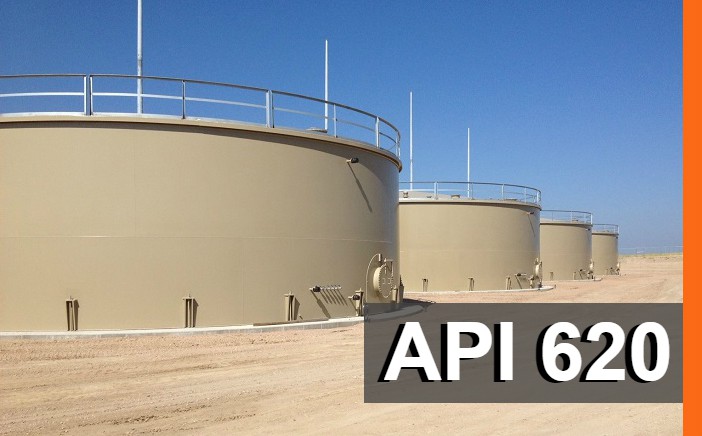
Normal welding inspections act as a keystone in this social shift, reinforcing the importance of regular efficiency and precaution (API 650 Welding Inspection). By executing rigorous inspection protocols, firms can recognize prospective defects early, mitigating risks and staying clear of expensive rework. Additionally, a focus on top quality and reliability infuses confidence amongst clients and companions, causing stronger relationships and see it here boosted online reputations
Inevitably, fostering a society of quality and integrity in welding practices not just raises project results but likewise guarantees long-lasting sustainability and success in the construction market.
Regularly Asked Questions
What Credentials Should a Welding Inspector Have?
A welding assessor ought to possess appropriate qualifications, such as AWS CWI or CSWIP. Additionally, they ought to have experience in metallurgy, welding processes, and assessment strategies, together with solid logical abilities and attention to detail for effective examinations.
Exactly How Typically Should Welding Inspections Be Carried Out?
Welding examinations need to be performed consistently, preferably after each substantial phase of the welding process. Additionally, routine examinations need to happen based on task requirements, solution problems, and regulatory requirements to assure ongoing high quality and security.
What Devices Are Utilized Throughout Welding Inspections?
Welding assessments use different tools, consisting of ultrasonic testers, magnetic bit testers, aesthetic assessment tools, and radiographic tools. Each device serves a details function, guaranteeing weld quality and architectural stability via detailed assessment and evaluation.
Can Welding Inspections Be Performed From Another Location?
Welding More Info assessments can indeed be executed remotely making use of sophisticated technologies such as drones and specialized cams. These tools allow inspectors to examine welding quality and honesty from a distance, enhancing efficiency and security in various atmospheres.
What Are the Usual Types of Welding Issues?
Common sorts of welding flaws include porosity, splits, incomplete combination, damaging, and slag inclusion. These flaws can compromise the stability and toughness of welds, leading to prospective failings in structural applications otherwise dealt with appropriately.
Welding evaluations are crucial for guaranteeing that frameworks meet stringent market requirements. Welding examinations conducted at different phases of the procedure help identify any type of variances from these criteria, enabling timely restorative actions. Welding assessments play a crucial role in improving the performance and durability of frameworks, as they validate that welds are implemented to the highest possible standards. Welding inspections should be conducted frequently, preferably after each considerable stage of the welding procedure. API 650 Welding Inspection. Welding assessments use different devices, including ultrasonic testers, magnetic bit testers, visual evaluation tools, and radiographic equipment
Comments on “Exploring API 650 Welding Inspection Standards for Efficient Tank Fabrication”